Key Takeaways (TL;DR)
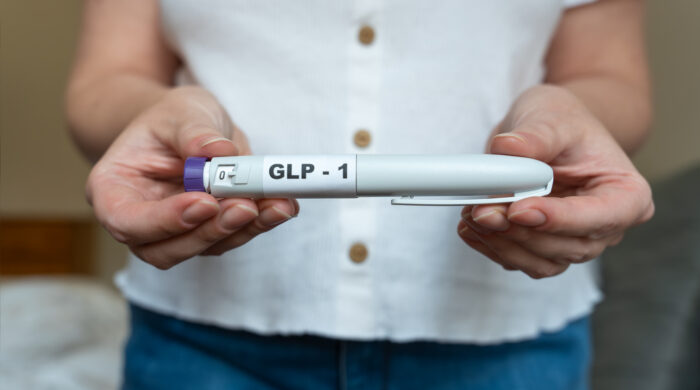
- GLP-1 medications are synthetic drugs that mimic a natural body hormone in the body to help regulate blood sugar and slow digestion.
- The FDA has approved GLP-1 drugs to treat type 2 diabetes and to aid in weight management for adults living with obesity. Beyond weight loss and blood sugar control, GLP-1s can help improve related health conditions like sleep apnea, high blood pressure, stroke risk, and heart disease.
- The most common side effects of GLP-1s are gastrointestinal issues such as nausea, vomiting, diarrhea, constipation, and stomach pain, especially when starting or increasing doses.
- Taking GLP-1s should not be considered as a substitute for healthy lifestyle choices such as healthy eating, exercising, and getting adequate sleep.
- GLP-1s are long-term prescription medications that require ongoing supervision by a healthcare provider to manage side effects, adjust dosages, and monitor overall health.
From doctors’ offices to celebrity headlines, GLP-1 drugs seem to be everywhere lately. Praised as breakthrough treatments and criticized for their cost, all the attention has people asking a lot of questions about what these drugs really do and whether they deserve the hype.
What is a GLP-1?
GLP-1 stands for “glucagon-like peptide-1,” which is a naturally occurring hormone in the body that regulates blood sugar and slows digestion.
When people refer to “GLP-1s” in conversation, advertising, or discussions with their doctor, they are usually talking about GLP-1 agonists. GLP-1 agonists are synthetic medications that mimic the body’s GLP-1 hormone to trigger a specific biological response.
The first GLP-1 medication, called Byetta, was approved by the FDA in 2005 as a treatment for type 2 diabetes. Then in 2014, Saxenda became the first GLP-1 medication approved for treating obesity.
Benefits of GLP-1s
The FDA has approved GLP-1 medications for the treatment of diabetes and for weight loss.
GLP-1 medications improve obesity-related comorbidities such as:
- Sleep apnea
- High blood pressure
- Stroke
- Diabetes, and
- Heart disease.
Studies suggest that GLP-1 medications may reduce cardiovascular risks beyond the indirect effects of weight loss, especially in patients with type 2 diabetes.
In August 2025, the FDA also approved Wegovy for treating fatty liver disease.
In addition, studies have found potential neurological benefits from taking GLP-1 medication, such as reducing a person’s risks of addiction, Alzheimer’s, and dementia. However, these require further study before implementing GLP-1 medications in therapeutic practice for such conditions.
Who takes GLP-1s and How
Today, about 12% of adults in America have taken a GLP-1 medication. Regarding what type of patients are taking them:
- Over 50% of GLP-1 prescriptions are for diabetes, while
- About 40% are specifically for weight loss.
Patients take GLP-1s weekly or daily, via subcutaneous injection into their abdomen, thigh, or upper arm.
Taking GLP-1s for Diabetes
For type 2 diabetes
Like naturally occurring GLP-1, agonist medications stimulate insulin production in the body. They are prescribed to patients with type 2 diabetes to lower blood sugar.
Unlike insulin, GLP-1s manage a person’s blood sugar without increasing their hypoglycemia risk, and result in weight loss instead of weight gain.
Some patients are able to delay or discontinue insulin use in favor of GLP-1s, although many patients will find the best results with some combination of both insulin and a GLP-1.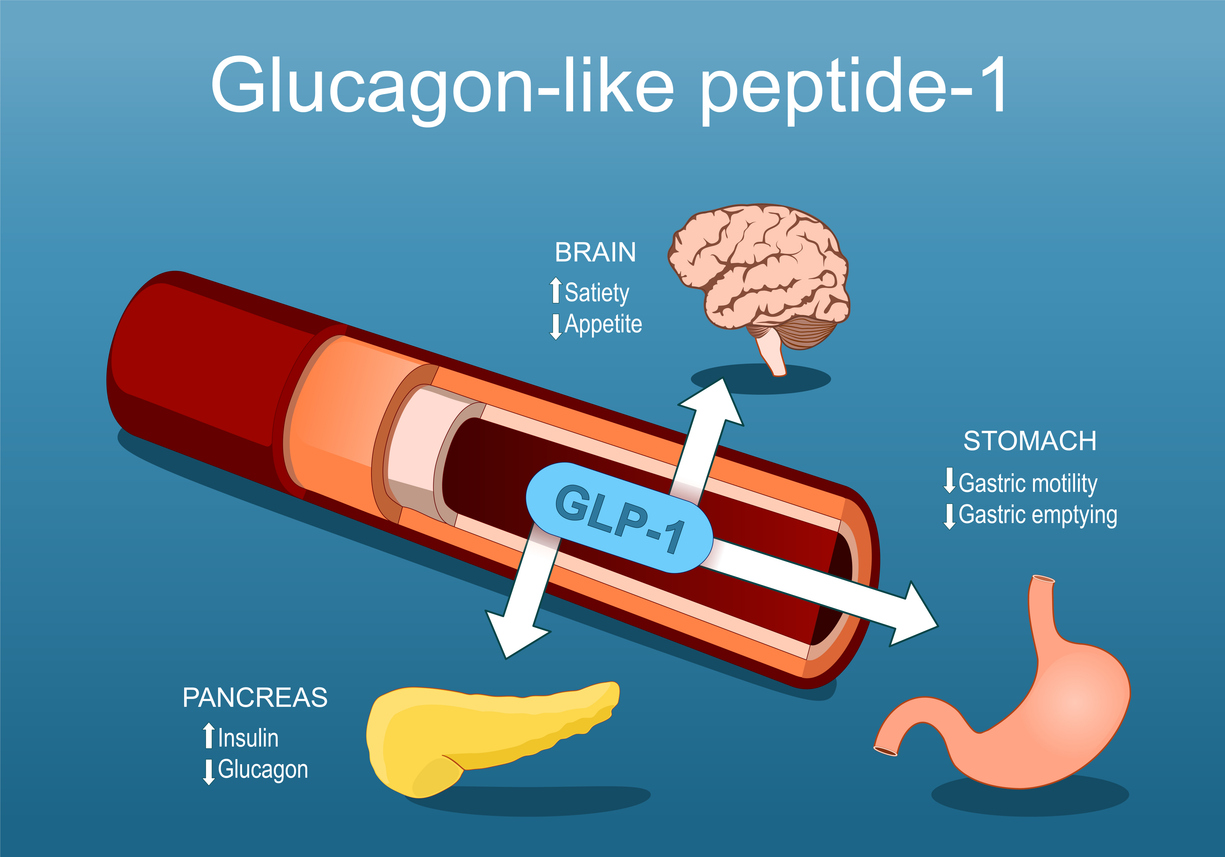
For type 1 diabetes
As mentioned above, GLP-1s can stimulate insulin production in the body. But because type 1 diabetics typically lack the functioning cells that make insulin, GLP-1s are not FDA approved as a treatment for type 1 diabetes.
However, based on preliminary research results, some doctors have begun to prescribe GLP-1s off-label for patients with type 1 diabetes in tandem with more conventional treatments, to help control blood sugar and increase insulin sensitivity.
More research is still needed on the safety and effectiveness of GLP-1s for type 1 diabetics.
Using GLP-1s for Weight Loss
Like naturally occurring GLP-1, agonist medications slow digestion, which increases a person’s satiety, basically acting as an appetite suppressant.
World Health Organization’s guidance approves GLP-1 prescriptions for patients with obesity (defined as BMI of at least 30).
In the US, GLP-1 prescriptions are also written for patients who are overweight (BMI of at least 27) with weight-related comorbidities like high blood pressure or heart disease.
After the approval of Saxenda for weight loss in 2014, prescriptions of GLP-1s increased by 300% by 2019.
However, GLP-1s should not be considered as a substitute for healthy lifestyle choices such as:
- Eating a nutritious diet
- Doing regular exercise, and
- Getting quality sleep.
These behaviors remain important factors for weight management and maintaining overall health.
About Brand Name GLP-1 Medications
Today, Ozempic – which was approved for diabetes in 2017 – is the best-known GLP-1. However, several other GLP-1 medications have received FDA approvals for diabetes and/or weight loss.
Semaglutide (marketed as Ozempic, Wegovy, and Rybelsus) is the most common and widely used GLP-1 drug. Other common options include tirzepatide (brand names Mounjaro and Zepbound), liraglutide (Victoza, Saxenda), and dulaglutide (Trulicity).
All of these drugs belong to the GLP-1 class and work by triggering insulin production, reducing glucose production in the liver, and making you feel full.
But there are some differences among them. Despite its popularity, Ozempic is not approved as a weight-loss drug. But it is associated with better outcomes for people with heart disease and chronic kidney disease.
Rybelsus and Wegovy can be taken orally in a pill instead of as injections.
In consultation with your health care provider, the specific GLP-1 medication you are prescribed will depend on your treatment goals, risk factors, and your pre-existing medical conditions.
Risks of Taking GLP-1s
Although they’re effective in treating diabetes and stimulating weight loss, GLP-1s have some notable side effects, including:
- Nausea
- Vomiting
- Diarrhea
- Constipation, and
- Stomach pain.
These gastrointestinal side effects can also lead to dehydration and electrolyte imbalances.
Gastrointestinal side effects affect up to half of GLP-1 users, especially when they first start treatment.
Many users also report:
- Headache
- Dizziness
- Fatigue
- Loss of muscle mass and
- Cardiovascular effects such as increased heart rate
…all of which may be related to undereating. Injection site reactions can also occur.
Rarely, severe side effects can include pancreatitis, gallbladder issues, kidney damage from severe dehydration, and thyroid tumors.
People who are pregnant or have a personal or family history of medullary thyroid cancer should not take GLP-1s.
Long-term Safety of GLP-1s
WHO notes concern that there is limited data on the long-term safety and outcomes of GLP-1 medications. The organization has additional concern about:
- The current costs of GLP-1s
- Inadequate health-system preparedness in light of increasing demand, and
- Potential equity implications (including access and affordability).
Are GLP-1s Covered by Insurance?
Currently, about half of patients’ GLP-1 prescriptions are covered in full or in part by insurance. Even with insurance, about half of all adults who have taken GLP-1 drugs report that the cost of the medication presented a hardship, with one in five finding it “very difficult” to pay for the prescription.
For adults, most GLP-1 brands have manufacturer savings cards to help make their prescriptions more affordable.
Medicare currently covers GLP-1s for:
- Type 2 diabetes
- Cardiovascular disease
- Sleep apnea, and
- Obesity and weight management.
Depending on your Medicare plan, eligibility for GLP-1 coverage and access to specific brand name medications may vary.
If you’re interested in taking GLP-1 medications, discuss your health goals, family history, and any pre-existing medical conditions with your primary care provider. This will help them determine which medications would be the most appropriate for you.
If you are living with type 2 diabetes, obesity, or both, request an appointment with a WWMG family medicine provider today.