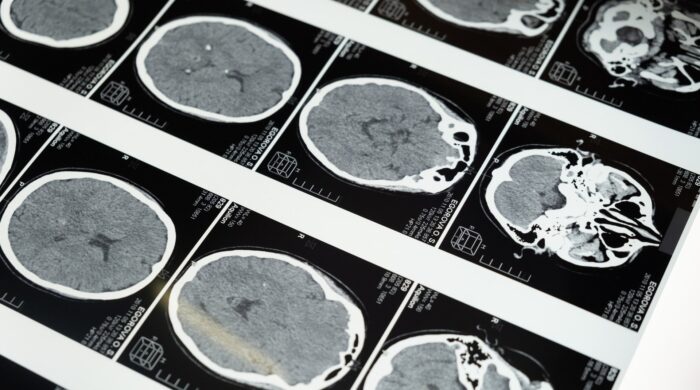
If you’ve recently been referred for an MRI, or are just curious about the procedure, you may have questions on what to expect. In this post, we’ll explore what an MRI test is, what happens during the procedure, what the results may reveal, and how you can schedule your MRI at WWMG’s Imaging Center.
What is an MRI?
An MRI is a diagnostic imaging test. MRI stands for Magnetic Resonance Imaging, which means that a combination of high-power magnets, radio waves and a computer are used to take detailed photos of areas inside a patient’s body.
Doctors can use MRIs on various structures of the body, including the skeletal system, nervous system, organs and soft tissues. Plus, MRIs do not utilize ionizing radiation like other procedures such as CT scans and X-rays.
Before getting an MRI, it’s important for the patient to share their comprehensive medical history when being screened for the procedure. Some patients may face health hazards if they:
- are in their first trimester of pregnancy
- have a pacemaker
- have cochlear implants
- use neurostimulation systems
- have vascular clips or
- have bullets, shrapnel or other metal fragments within their body.
Patients with these conditions may still be eligible to get an MRI. Talk to your health provider and the MRI facility for a personal safety evaluation to determine if you’re approved to get this type of imaging.
How long does the test take?
Depending on what part of the body is being tested, an MRI can take anywhere from 15 minutes to a full hour. In addition to the imaging itself, this also includes time for the patient to change into a sterile gown, and put on headphones and a microphone to communicate with the MRI technologist during the test.
What to expect during the MRI procedure
MRIs are painless, though some patients who are claustrophobic may have issues with the confined space of the imaging tube and, as a result, may require sedation (but most individuals do not).
To start the procedure, patients are placed on a moveable exam table outside of the magnetized MRI tube. They may be strapped in to reduce the chance of movement, as it’s important for them to remain still for the duration of the test.
Then, the MRI technologist will likely place coils that send and receive radio waves around the area of the body that’s being examined. Next, the exam table will be moved slowly and smoothly into the tube while the technologist works outside the tube.
In some cases, contrast material will be administered to the patient through an IV (before or during the procedure) to get a better reading. Once the technologist has sufficient imaging scans, the patient’s exam table will be released from the tube and the IV removed, completing the procedure.
What can MRI tests reveal about the patient?
Many conditions can be detected by taking an MRI of the spinal cord and brain, including strokes, aneurysms, vision problems, inner ear issues, cancer, multiple sclerosis, and spinal cord injuries.
When an MRI is conducted on the heart, it is used to detect issues with the aorta, heart disease, damage from heart attacks or blocked blood vessels.
Alternately, when MRIs are used to view bones and joints they can often find arthritis, joint damage, torn ligaments, disk issues, tumors and bone infections.
Additionally, MRIs can check organs such as kidneys, the pancreas, ovaries, prostates, the liver and breasts for various conditions or disease.
How much does an MRI cost?
MRI’s done at WWMG may be less expensive than if completed in a hospital or other setting, without sacrificing on quality! In fact, WWMG’s Imaging Center has been officially recognized as the Best Medical Diagnostic Imaging Center in Everett, 2025 by BusinessRate.
The cost of an MRI varies, and depends on factors such as which part of the body will be tested, facility setting, if contrast is used, and what type of insurance coverage the patient has for that type of care.
We advise our patients to contact their insurance provider and WWMG’s Imaging Center to learn more about pricing for specific types of MRI tests.
When should I consult a medical professional?
If you need to schedule an MRI test, and have a referral from your doctor, contact Western Washington Medical Group’s Imaging Center. They can be reached at (425) 263-8980. In addition to MRI, our Imaging Center also provides CT, Ultrasound and X-Ray services.
The team at our Imaging Center is dedicated to caring, professional service for each patient we serve. We’re located at 3822 Colby Avenue, Suite 100, Everett, WA 98201